_edited.jpg)
Social Media is a Cancer
Updated: Feb 9
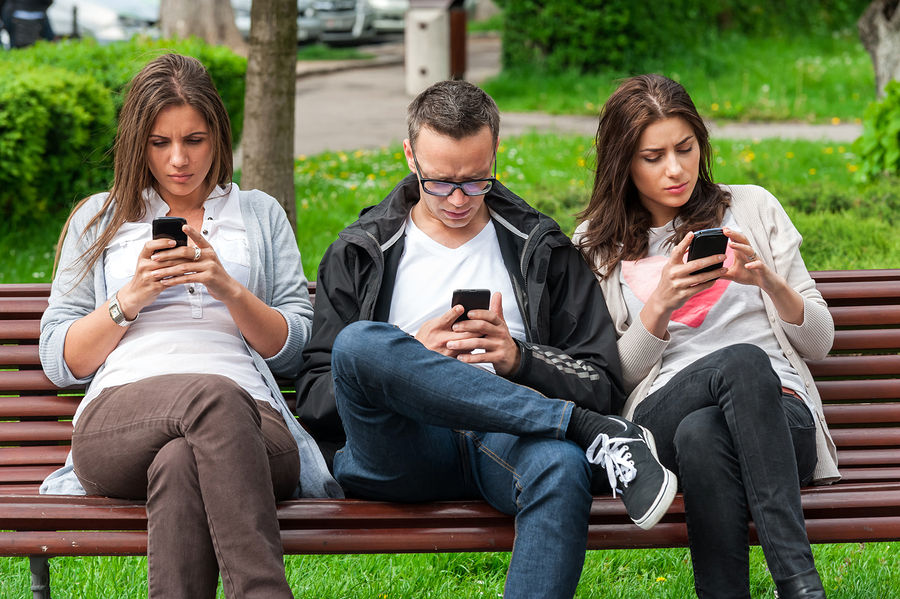
We are at the brink of having more relationships with tech than with humans for the first time in the history of our species.
This unprecedented shift raises profound questions about the nature of our connections and the values we prioritize in our lives. Why are we, as individuals and as a society, investing our time, energy, and emotional resources into activities that ultimately enrich large corporations and their shareholders, rather than focusing on actions that directly enhance our own well-being and that of our families, including our children?
In an age where digital devices dominate our attention and social media platforms dictate our social interactions, it is crucial to reflect on the implications of this trend. The constant notifications, the endless scrolling, and the curated portrayals of life can create a false sense of connection while simultaneously isolating us from the real, tangible relationships that provide emotional support and fulfillment.
"Social media is a cancer,” says Republican Utah Gov. Spencer Cox. “It is taking all of our worst impulses and putting them on steroids. It is driving us to division. It is driving us to hate.”
This paradox of connectivity—where we are more 'connected' than ever before, yet feel increasingly lonely—invites us to reconsider our priorities. To combat this phenomenon, it is essential to take proactive steps. One effective approach is to consciously put our devices down, even if only for a short period each day. Setting limits on screen time can help us reclaim not only our time but also our mental space, allowing us to engage more meaningfully with the people around us.
It is in these moments of disconnection from our devices that we can reconnect with ourselves, our families, and our communities. Reclaiming what it truly means to be human involves fostering genuine relationships, sharing experiences, and participating in face-to-face interactions that enrich our lives. It requires a commitment to prioritizing human connection over digital engagement.
By doing so, we can cultivate a life that is not only more fulfilling but also rooted in the values of empathy, compassion, and understanding that are essential for our collective well-being.
In this way, we can ensure that our relationships with one another remain at the forefront of our lives, nurturing a future where technology serves to enhance, rather than replace, our fundamental human experiences.
So Where do we start?
We need to disengage from the digital world and return to community. The best way to connect with another human being is still in-person.


